
Fire escape inspections in New York City are legally required and actively enforced. Property owners who delay inspections risk violations, fines, and enforcement actions. Our inspection and certification services focus on safety, compliance, and meeting strict DOB and FDNY requirements without unnecessary delays or repeat inspections.
These checks verify that exterior egress systems remain structurally sound and compliant with applicable laws and regulations. NYC regulations require periodic inspections to confirm safety, accessibility, and durability.
These inspections protect occupants and ensure property owners comply with city code and enforcement expectations.
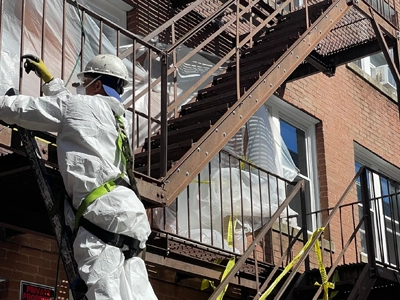
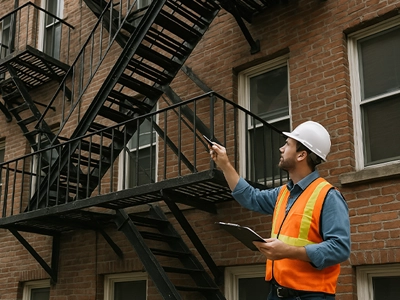
They identify corrosion, weakened steel, loose connections, missing components, and unsafe access conditions. These structural issues often develop slowly and are not visible from street level. Inspections prevent sudden failures and reduce safety risks for tenants and emergency responders.
DOB and FDNY inspections follow strict technical standards. Inspectors assess structural integrity, egress clearance, and overall condition. A properly conducted inspection ensures that the emergency exit system meets current code requirements and qualifies for certification without triggering corrective enforcement actions.
Failed inspections can lead to DOB violations, reinspection fees, and enforcement deadlines. Property owners may face fines, legal exposure, or the need for mandatory repairs under time pressure. Early professional inspections reduce the risk of failure and unexpected compliance costs.
It confirms that the structure complies with NYC safety codes. Certification is often required after inspections, repairs, or enforcement actions. Without certification, property owners remain exposed to violations and compliance disputes.
The certification process begins with a detailed inspection, followed by documentation, condition reports, and compliance verification.
If deficiencies are found, corrective actions must be completed before certification is issued and accepted by city authorities.
Inspectors evaluate platforms, stairs, railings, anchoring points, corrosion levels, and overall structural alignment. Superficial repairs or cosmetic fixes are not sufficient. Certification requires proof that all components meet safety and durability standards.
When violations are identified, certification is delayed until the issues are corrected. Managing this process requires proper sequencing of inspections, repairs, and documentation to prevent repeat failures or extended enforcement timelines.
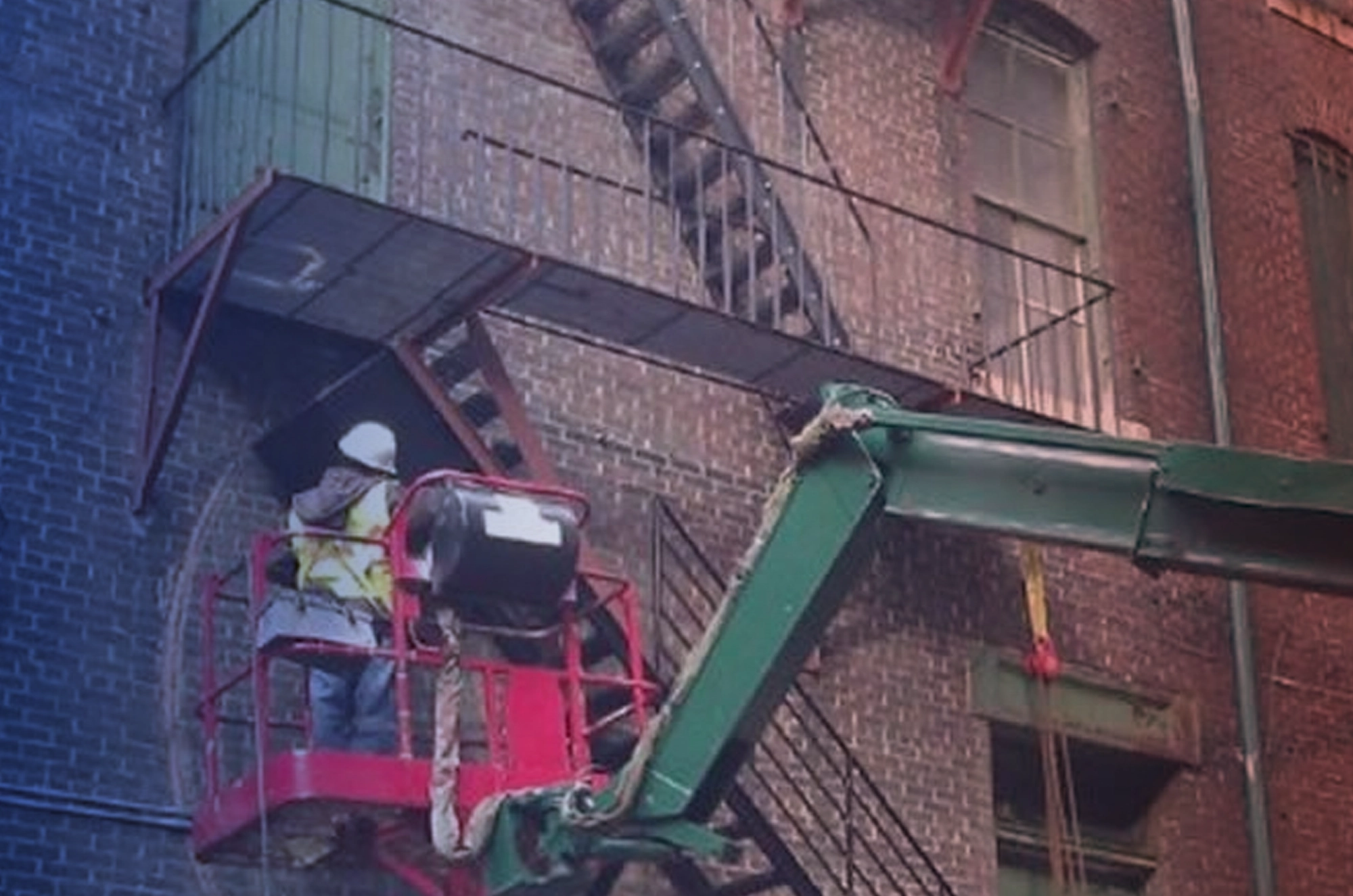
Inspection conditions vary widely across NYC properties. Building age, occupancy, and access limitations all affect how inspections must be conducted and coordinated.
Pre-war buildings often have ageing steel, original construction methods, and hidden deterioration. Inspections must account for these factors to avoid unnecessary violations while meeting modern safety standards.
Occupied buildings require controlled access and safety coordination. Inspections must be planned to protect tenants, minimize disruptions, and comply with access restrictions without delaying compliance deadlines.
Uncoordinated inspections can disrupt daily operations and tenant access. Professional planning ensures inspections are completed efficiently while keeping building functions running normally.
NYC inspection deadlines are strictly enforced. Missing them can lead to escalated violations and increased penalties.
When DOB or FDNY orders inspections, timelines are often compressed. Rapid scheduling and accurate reporting are critical to meeting deadlines and preventing additional enforcement actions.
Proper coordination with city agencies helps avoid repeat inspections and documentation rejections. Alignment with agency expectations streamlines the approval and certification process.
Timely inspections and complete documentation help property owners avoid fines, stop enforcement escalation, and close compliance issues efficiently.
Certification provides documented proof that the exit system meets NYC safety standards. Documentation is essential for audits, renewals, and enforcement reviews.
We have secured certifications for properties that have previously failed inspections, incurred violations, or have complex structural conditions across multiple NYC boroughs.
From corrosion issues to access constraints, we address the obstacles that commonly prevent certification approval and delay compliance closure.
Clear, organized documentation protects owners during DOB reviews, FDNY checks, and future inspections, reducing long-term compliance risk.
Yes. We conduct thorough fire escape inspections and issue certification reports in accordance with NYC Department of Buildings and local code requirements. It ensures your property remains compliant and inspection-ready.
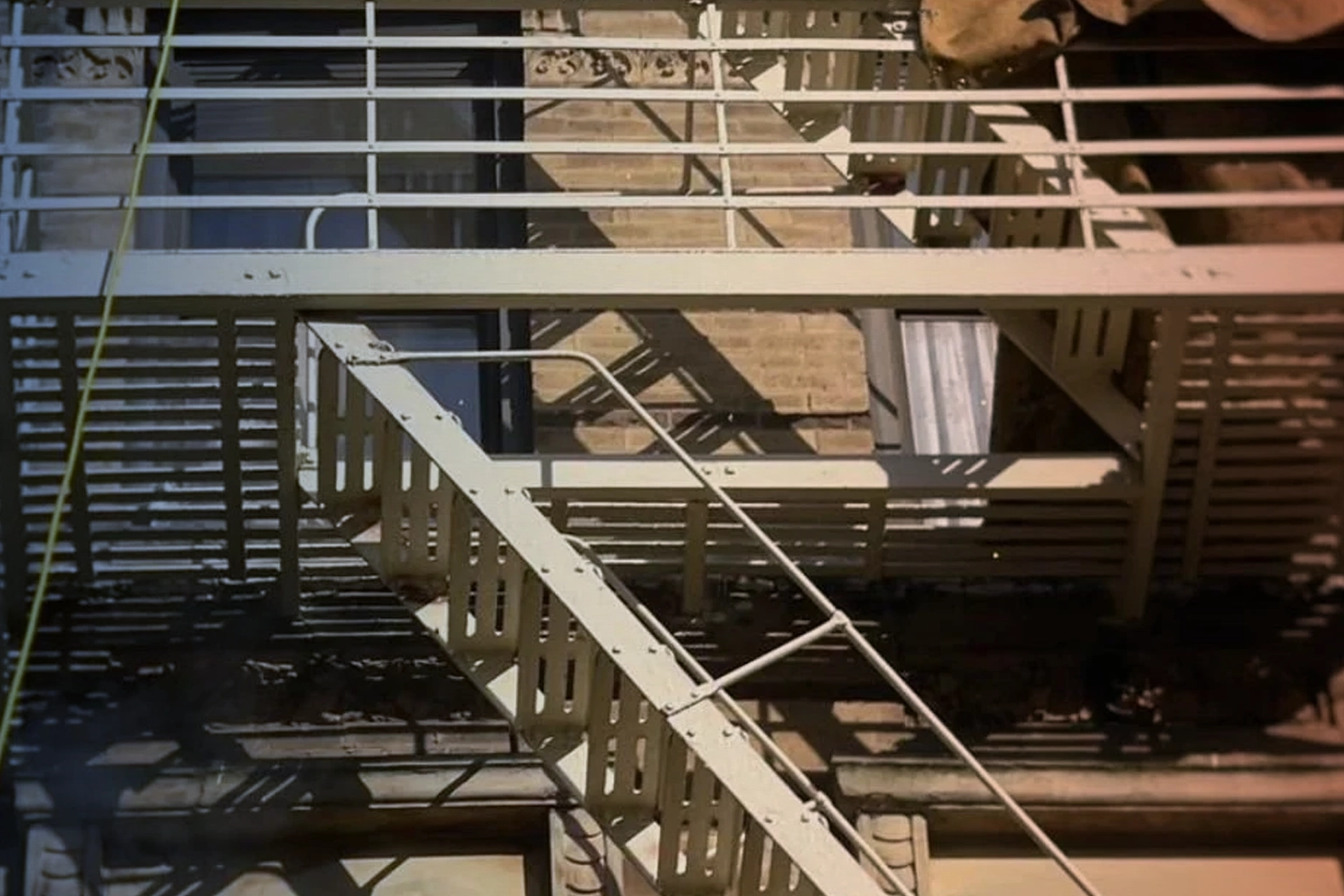
A fire escape inspection evaluates structural stability, corrosion levels, weld integrity, bolts and connections, platforms, railings, ladders, and overall compliance with NYC safety and load-bearing requirements.
Yes. NYC and New York State regulations mandate fire escape inspections and certifications at least once every five years by qualified professionals.
Residents may report concerns visually, but official inspections and certifications must be performed by licensed contractors or qualified professionals authorized under NYC regulations.
Blocked fire escapes create serious safety hazards and may result in violations, fines, or complaints. Access must remain clear at all times for emergency egress.
Don’t risk violations or structural damage. Schedule your free initial consultation call for fire escape painting with our team now.
(347) 378-9255

When safety can’t wait, neither do we. Resolving violations quickly and efficiently. Trusted by NYC building owners and co-ops.