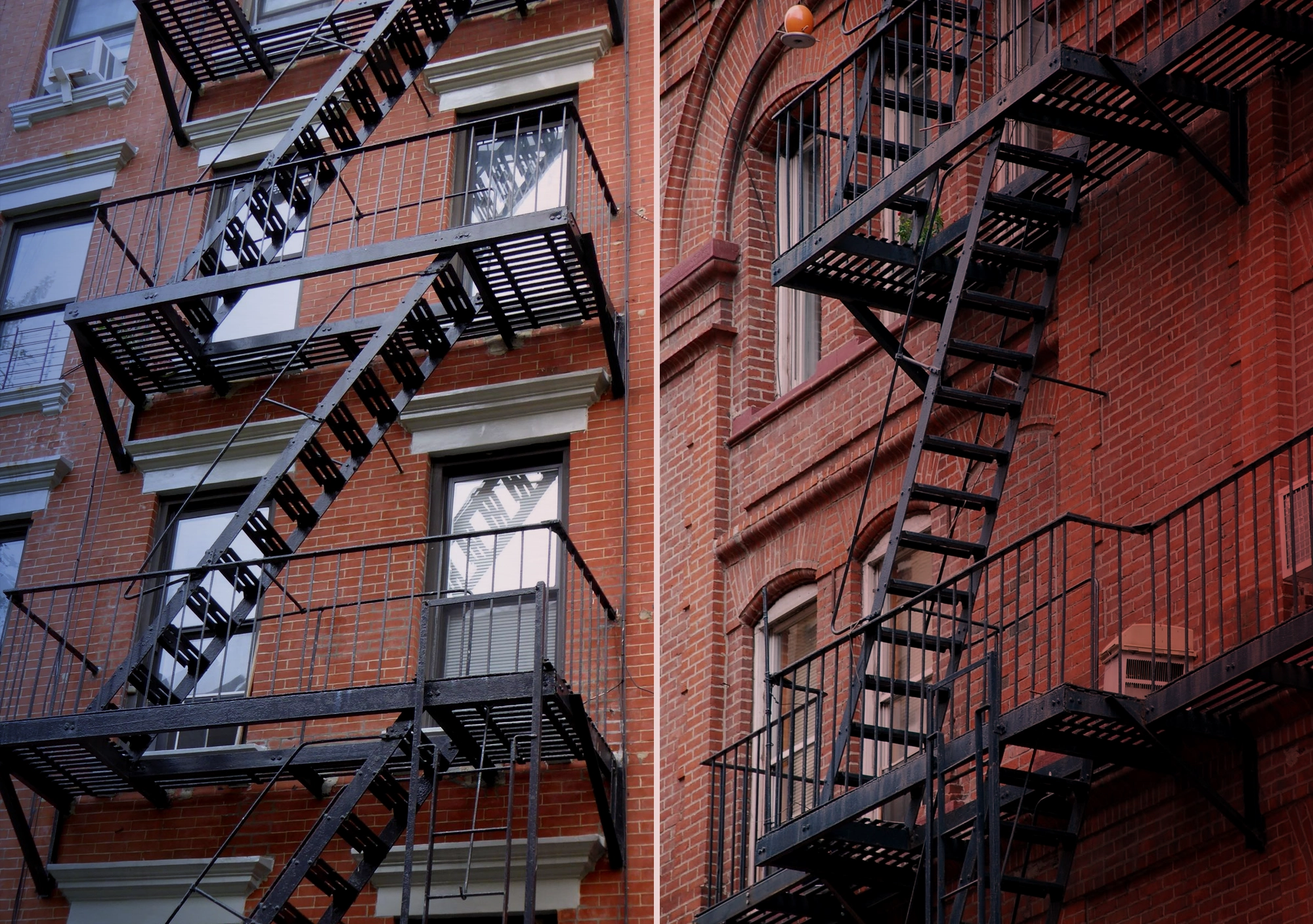
Fire escapes are a hallmark of New York City architecture. They are often seen clinging to the exterior of older residential buildings and apartment complexes.
While they’re iconic in appearance, their true purpose is life-saving. They provide a safe, accessible exit in emergencies. It includes fires, gas leaks, or other urgent situations.
Despite their importance, fire escapes are often neglected, blocked, or improperly maintained. It can lead to injuries, fines, or even structural failure.
Whether you’re a building owner, tenant, or property manager, understanding fire escape safety is critical. Here are the top 10 safety tips for fire escapes in NYC.
Keep Fire Escapes Clear of Obstructions
It may seem obvious, but one of the most common mistakes is cluttering fire escapes with furniture, bicycles, potted plants, or storage boxes. These obstacles may appear harmless in daily life, but during an emergency, even a small object can slow evacuation, cause trips or falls, and violate NYC Fire Code regulations.
Landlords and tenants should inspect fire escapes weekly and remove anything that could impede a quick exit. Remember, a clear path is essential not just for residents, but also for emergency responders who may need access.
Conduct Regular Inspections for Rust and Corrosion
Metal fire escapes are constantly exposed to rain, snow, and humidity, which can lead to rust, corrosion, and weakened connections. While small rust spots may seem minor, over time they can compromise the structural integrity of stairs, platforms, and railings.
Regular inspections, ideally by a licensed professiona,l should examine every bracket, bolt, and weld. Rust treatment, repainting, or replacing corroded parts can prevent serious accidents and extend the fire escape’s lifespan.
Ensure Proper Fastening and Anchoring
Loose bolts, missing screws, and improperly anchored brackets are dangerous yet surprisingly common. NYC building codes require that all fire escapes be securely fastened to the building structure to support the weight of multiple people during emergencies.
Even older fire escapes, installed decades ago, may have shifted or worn. Regularly inspecting fasteners and replacing any missing or damaged components with code-compliant hardware helps ensure the fire escape remains stable and reliable.
Maintain Clear Access from Windows and Doors
Fire escapes are useless if residents cannot reach them quickly. Windows and doors leading to the fire escape should open smoothly, remain unobstructed, and be easy for all occupants to operate, even children or elderly residents.
Sliding panels or barred windows should include emergency-release mechanisms. Practicing opening these access points periodically can save precious seconds during an evacuation and reduce panic during real emergencies.
Avoid Overloading the Fire Escape
Fire escapes are designed to support a specific number of occupants and weight. Overcrowding platforms or staircases, or placing heavy objects on them, can exceed load limits and pose a risk of collapse.
It’s essential for tenants to be aware of occupancy limitations during drills or emergencies, and for landlords to post signage indicating the maximum safe load. Awareness helps prevent accidents while maintaining the escape’s structural integrity.
Regularly Clean Debris, Snow, and Ice
Debris accumulation, such as leaves, dirt, or litter, can create slip hazards and accelerate corrosion. In winter, snow and ice can make steps treacherously slippery, increasing the risk of falls during an emergency.
Residents should sweep platforms regularly, and landlords must ensure snow or ice is removed promptly. Using non-slip coatings or mats can provide extra traction, reducing accidents in wet or icy conditions.
Install Non-Slip Surfaces
Metal stairs can be slick, especially when wet or covered in frost. Adding anti-skid treads, textured paint, or rubberized coatings enhances safety, particularly for children, elderly residents, or pets.
Many NYC landlords install these surfaces to comply with building safety recommendations, but residents should also consider portable non-slip mats for added safety, particularly in areas with heavy foot traffic.
Conduct Fire Escape Drills
A fire escape is only effective if residents know how to use it. Conducting regular drills familiarizes tenants with the route, highlights potential obstacles, and reduces panic during an actual emergency.
Drills should simulate realistic conditions, including timed evacuations and the use of all available windows and doors. This practice ensures everyone knows how to safely navigate the escape under pressure.
Check for Overhead Hazards and Loose Projections
Fire escapes often wind around balconies, signage, or building projections. During maintenance or emergency use, residents should be aware of these overhead obstacles.
Loose fixtures, deteriorating ledges, or hanging debris can fall or obstruct passage, causing injury. Regular inspection and timely repairs are crucial to prevent hazards.
Call Licensed Professionals for Major Repairs
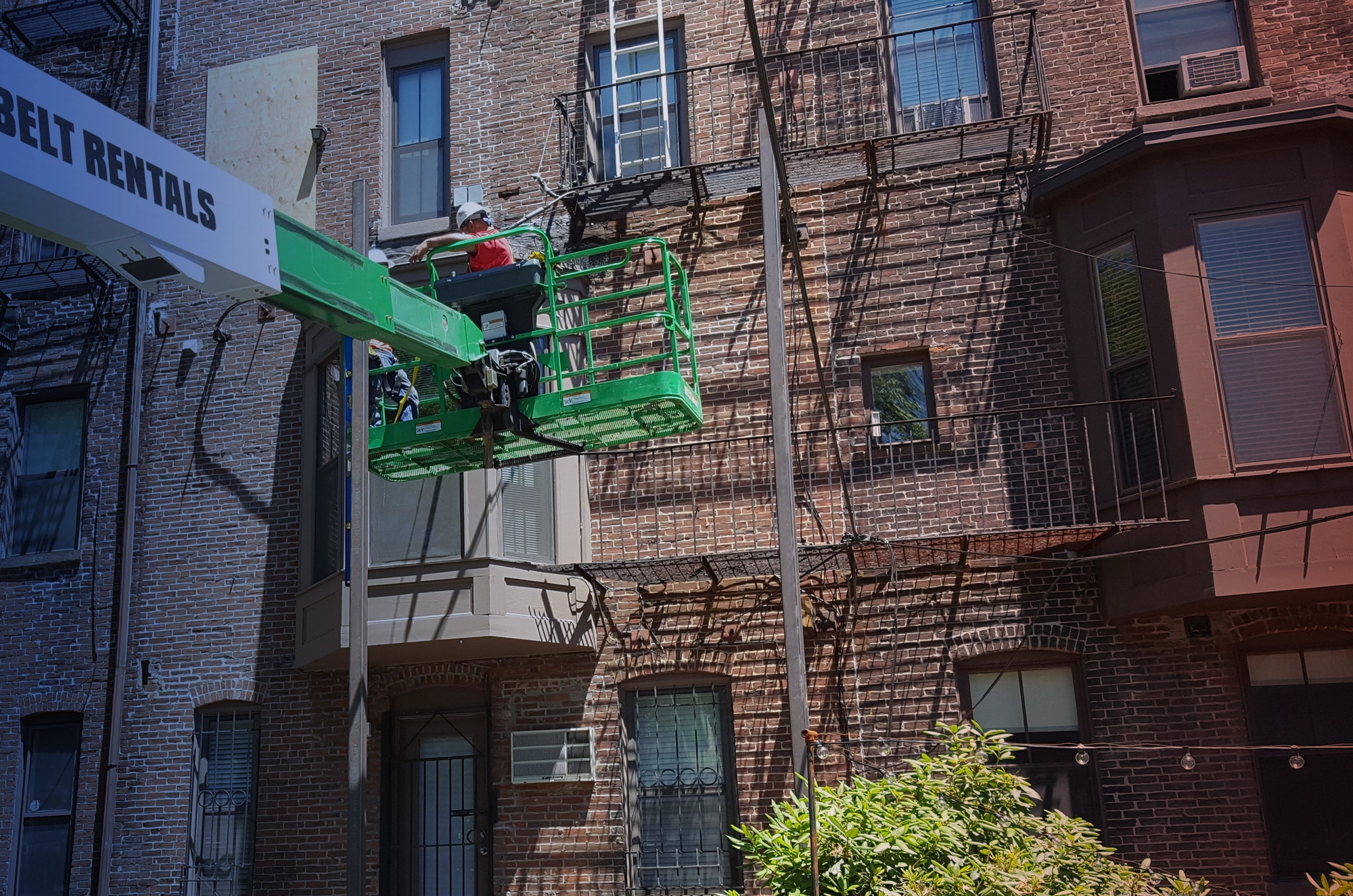
Many fire escape issues, including structural rust, bent platforms, broken stairs, and loose railings, require professional attention. Attempting DIY repairs can compromise safety and violate NYC Fire Code regulations.
Licensed contractors have the expertise to assess, repair, and maintain fire escapes to code, ensuring long-term reliability. Landlords should schedule professional inspections at least annually, and after any major weather event or accident.
Quick Fire Escape Safety Checklist
Conclusion
Fire escapes are a critical safety feature in NYC’s dense urban landscape, and neglecting them can have life-threatening consequences. Regular maintenance, inspections, and safety education for all residents are essential.
Following these top 10 tips ensures fire escapes are ready to function when needed, reducing risk, keeping residents safe, and maintaining compliance with NYC building codes. Remember, fire escape safety is not just a legal requirement, it’s a matter of life and death.